
A dog’s happiness often shows in its ability to move freely. Whether it’s running across a field, climbing stairs, or simply wagging its tail while walking toward you, mobility shapes everyday experiences. When movement becomes restricted, dogs may lose not only physical strength but also their playful spirit. Many pet owners begin to explore ways to support their dog’s long-term health, including options like a dog joint supplement. Taking action early can help preserve your dog’s natural energy and keep them active for years.
Joint Health Across Life Stages
Older dogs slowly lose ease in movement as their body shifts over time. Joints stiffen when padding between bones thins out. Movement grows harder, not suddenly, yet step by step. Big dogs, or those always on the move, tend to show signs earlier than others. Care for joints matters more now, even if things seem fine. Some choose a daily support option aimed at keeping motion smoother longer.
Early Warning Signs You Shouldn't Ignore
Limping isn’t always how dogs reveal soreness - watch instead for quiet shifts. Walks that once sparked joy now seem to drain their energy. Pausing at the edge of the couch could mean effort hides beneath calm fur. Rising slowly from sleep? That pause might speak louder than whines. A toy ignored in the corner sometimes says everything. Spotting these symptoms fast means dealing with them sooner rather than later. Care that helps - like giving your dog a joint supplement - can make handling shifts much smoother.
Nutrition and Joint Health
Food shapes how joints feel every day. When meals include the right mix, they feed parts like cartilage and tissue without fuss. Instead of causing stiffness, omega fats plus certain vitamins ease swelling while helping movement stay smooth. Even snacks - usually ignored - add value when chosen with care. Freeze dried dog treats? They keep way more of the good stuff found in real food than most store-bought snacks do. Because of this, pets get a bit of nourishment even during snack time.
Treat Choices Affect Mobility
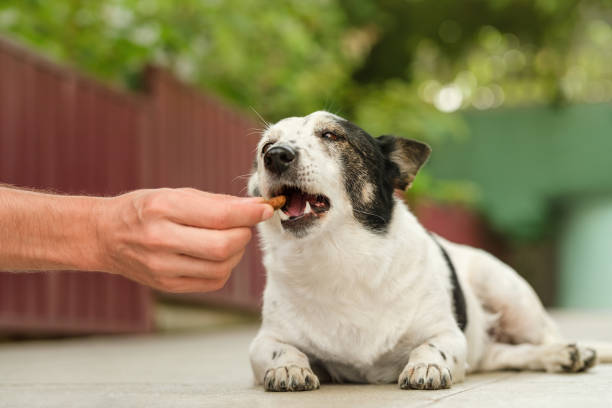
Some snacks bring more to the table than others when it comes to keeping your dog in good shape. Picking poorly made options might just pile on empty calories instead of real nourishment. Yet those that are freeze dried often hold onto their original nutrients much better. Because they keep closer to the source, these treats feel less processed. Dogs usually go for them without hesitation, which helps during learning moments or when you want to acknowledge something done right. Slip them into daily habits and satisfaction meets support at the same time.
Balancing Exercise and Rest for Healthy Joints
Most dogs need motion to keep their joints healthy, yet downtime matters just as much. Pushing too hard might irritate sensitive areas, whereas doing almost nothing often brings tightness. Moving every day - just enough - builds muscle that wraps around key points, adding stability. A stroll down the block, or tossing a ball slowly, keeps things loose without risk. Feeding well, choosing simple meals, including snacks like freeze dried dog treats ties it together quietly.
Preventive Care Leads to Lasting Health Outcomes
Most joint trouble starts small, yet catching it fast changes everything. A lean body means less pressure on moving parts during daily life. Visits to the vet every so often catch whispers of strain before they grow loud. Some begin extra support steps well ahead of any limp or stiffness showing up. Adding a specific nutritional aid into meals happens quietly across many homes already. Acting sooner rather than later tends to stretch out comfortable movement years. Fewer sore mornings come from choices made when nothing seems wrong.
Building Daily Habits That Support Joint Wellness
Sticking to the same rhythm each day supports your dog’s movement. When days unfold predictably, dogs tend to do better, getting what they require without gaps. Meals that fuel the body right, daily walks, along with snacks full of good things - these build stronger joints. Little actions, done the same way each time, slowly add up to real change. As years pass, a steady plan keeps them moving easier, feeling livelier.
Supporting Your Dog Through Every Life Stage
Puppies thrive when their early days are built on steady routines. As they grow, adult dogs do well with consistent habits that keep energy balanced. Older ones tend to move slower, needing softer surfaces and gentler motion. Shifts in diet or activity match what each phase demands. Watching small changes helps catch bigger issues before they build up. Comfort matters most when bodies start to slow down.
Conclusion
Keeping your dog moving well over time means paying attention every day. When joints shift slowly with age, spotting small hints of stiffness matters. Nutrition plays a role here, just as much as daily walks do. Try adding a joint-focused treat, maybe one with natural support ingredients. Movement stays easier when meals feed more than hunger. Years pass fast, yet comfort doesn’t have to fade. Care that fits their rhythm helps them stay close, step after step.
FAQs
1. When should I start focusing on my dog’s joint health?
Early beginnings work well, particularly when dealing with types likely to have joint trouble or animals full of energy.
2. Are freeze-dried treats a good choice for daily use?
Fine in small amounts, these treats bring good nutrients along with a tasty moment for your pet.
3. Can diet alone support joint health?
Food choices matter a lot, yet mixing them with movement along with extra help tends to work more effectively.
4. How long does it take to notice improvements in mobility?
Some dogs show shifts sooner than others, yet steady attention usually brings visible differences after several weeks.