
Beautiful views, old buildings, spots for photos - these are what many imagine when visiting history-rich towns. Yet certain locations offer deeper experiences instead. Learning happens there, exploration feels natural, cultural moments unfold slowly. This is one reason why visitors continue searching for a unique cooperstown attraction that goes beyond traditional tourism.
These days, trips aren’t just about seeing sights. Instead of only fun spots, people now look for real moments that pull them in. Places thrive when old tales, wild landscapes, and local life blend into one experience. What sticks with visitors usually comes from touching the soul of a place, hearing voices shaped by time.
Travelers Look for Real Experiences
People now care more about real moments when they travel. Instead of hopping between famous spots fast, many prefer slowing down to feel what a place is truly like. Getting close to daily life helps them see how customs live, notice the layers of local stories, sometimes even hear voices that built neighborhoods over time.
Something about these moments hits deeper when you’re moving through them instead of just watching. Places unfold slowly, showing old patterns still alive beneath new paths. People keep choosing trips that show change alongside what hasn’t shifted in generations. That pull toward realness shapes where folks go, whether young or further along.
The Enduring Draw of Old Places
Old neighborhoods pull people in, their tales echoing long after they were first told. Strolling streets thick with meaning links us to what came before, revealing shifts in how folks lived as years passed by.
Most people visit Cooperstown for a spot where old stories feel real. Not just displays behind glass, but moments you step into. Because the place treats history like conversation, not lecture. Some spots make the past seem far away, this one pulls it close. Through small details, voices rise. Even quiet corners speak loud here.
Local Culture Adds Meaning to Each Visit
What you see around you - buildings, rituals, meals, tales - shapes how you feel about a place. Not just sights, but moments like shared meals or local music stick in memory longer than famous landmarks. A destination feels different when its people's way of life becomes part of your journey. Places live on through their customs, not only through what’s listed in guidebooks.
Getting close to how people live gives travelers a richer sense of place. Because they see beyond postcard views, moments start to matter more. When routines, gestures, or meals are shared, memory sticks stronger. Often, it's these quiet exchanges - unplanned, unposed - that stay longest in mind.
The Role of Nature in Unforgettable Travel Moments
Open skies stretch across most trips in quiet ways. Yet mountains rise where roads bend, offering calm beside discovery - moments that slow time when routines fade behind.
Out among the hills, a person might notice how green slopes change with the light. Following a calm river, there’s space to slow down without trying. When leaves turn bright in fall, someone walking through feels part of the shift. Curiosity shows up when trails bend beyond sight. Quiet settles during pauses near stones warmed by sun. Exploration gains depth where silence speaks louder than noise.
Traditional Attractions Still Draw Crowds
Even with high-tech gadgets around, old-school spots still pull crowds - there’s just a feel you can’t fake online. Real talk happens face-to-face there, not through screens. Doing things yourself beats watching someone else do it. Connection grows when buttons aren’t involved.
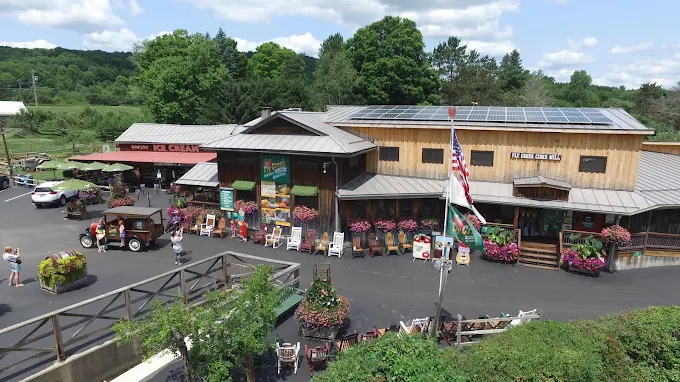
A wooden press stands silent in the corner of an old barn. Because time moves slower here, guests tend to linger longer than expected. Old tools line the walls, each one telling part of a story older than most towns nearby. Even small details - like the way apples are crushed - show methods unchanged for nearly two centuries. Life once grew around places like this, not far from fields and homes where families worked together. Some habits started long ago still shape how things are done today.
Learning Through Exploration
Travel often teaches best when you're living it. Getting involved hands-on makes lessons stick better than just seeing facts on a page.
Some places invite you to wander through stories from the past, everyday customs, and cultural moments made clear without effort. Because it draws people in slowly, a well-planned Cooperstown site works - sparking questions instead of just giving answers. Learning feels light when fun folds into each moment. Folks young and older find something that sticks, simply by being there.
Finding Worth in What Was Left Behind
Out of old ways come threads that tie us to those who walked before. When folks visit places rooted in history, meaning tends to stick - like dust on shoes after a long walk through time.
Out here, old cider mills tell stories through wooden presses and weathered beams. Step inside one, time slows - hands once shaped these tools now live in what they built. Not just apples get pressed; memory gets squeezed out too, drop by drop. What grows nearby shapes how folks work, eat, learn. Tradition isn’t shouted - it hums beneath grinding stones. People show up, watch, listen, carry pieces home without saying much. Value hides in motion: peeling, crushing, filtering. Some things fade unless someone keeps turning the wheel. Roots stay strong when others remember the weight.
Memories That Outlast the Journey
Something sticks around long after a trip ends when it goes beyond just seeing places. Real talks happen instead of schedules being followed. A surprise turns up where nothing was expected. People meet eye to eye without trying too hard. Feelings get involved at the same time thoughts do. That mix makes the moment stay.
Out there among old ruins, quiet trails, or village customs, people find moments that spark questions instead of answers. Not just dots on maps, these spots slip into conversations years later, told like something lived, not visited.
Conclusion
Looking out at unfamiliar places opens up fresh ways of seeing things, builds deeper awareness, one moment after another. Not every stop on a map brings real value, yet spots where time, place, and people meet tend to leave stronger marks. Something like an old copper town exhibit might spark questions you did not expect, showing pieces of the past that shaped today. Meanwhile, a working cider press from long ago gives quiet proof of habits passed down through seasons. Side by side, such moments turn movement across miles into something richer - less about checking sights off, more about stumbling upon lessons, shared threads, quiet wonders.
Frequently Asked Questions
1. What makes a cooperstown attraction appealing to visitors?
Step inside, where old stories meet hands-on moments, shaping trips full of learning. A mix of traditions, artifacts, and doing things yourself turns each stop into something alive. Past echoes here through activities you can touch, feel, try - making knowledge stick without feeling like school.
2. Why do travelers enjoy visiting historic destinations?
Back in time, old places show what life looked like long ago, yet they also reveal how customs grew from real events. What once stood centuries ago still speaks today through faded walls plus lived-in streets. Though quiet now, these spots once buzzed with voices shaping beliefs that last even now. From ancient roads to weathered homes, each detail hints at routines turned legacy. Even silence tells something when you walk where others walked ages back.
3. How does a cider mill contribute to cultural heritage?
Farming tools sit beside handmade goods, revealing how villages grew through seasons of labor. A glimpse into old ways unfolds where skill shaped daily life across generations.
4. What creates a memorable travel experience?
Out here, real moments come from wandering with purpose. Genuine ties to people shape what sticks in your mind. Learning happens quietly, through experience instead of lectures. Scenery that feels alive makes an impression just by being there.