
Electric power systems rely heavily on transformers to ensure smooth and efficient energy distribution. Whether a project involves industrial facilities, commercial buildings, or utility networks, the quality of the transformer directly affects performance, reliability, and long-term operational costs. This is why selecting a reliable transformers manufacturing company for Ireland becomes an important decision.
A transformer built right keeps voltage steady, cuts down on wasted power, while also keeping operations running without hiccups. Investing in solid gear usually means less downtime crops up later - efficiency tends to stay high as time goes by.
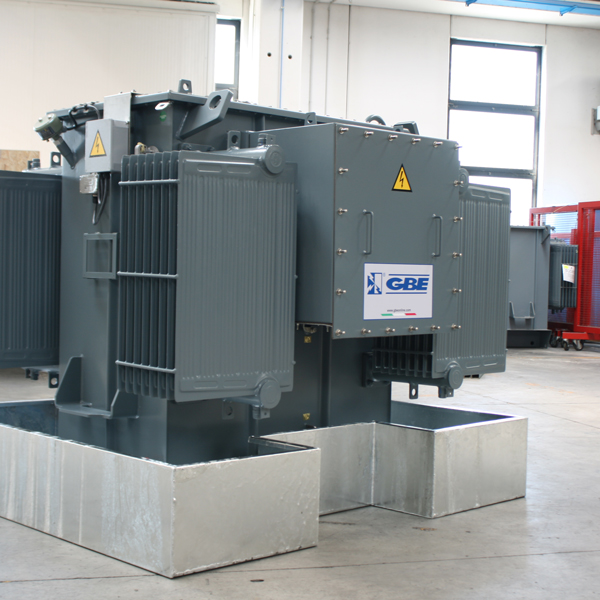
Transformer Manufacturer Key Qualities?
Some makers bring more skill and care to their work than others. What sets a reliable one apart is careful planning, solid components, maybe meeting global benchmarks too. Performance stays steady when details like these are taken seriously. Safety during use often rises as a result.
Out of years spent building machines comes a feel for what each industry actually needs. Because they tweak designs to fit, buyers get gear shaped by real tasks instead of one-size-fits-all models.
Product Quality and Long Term Performance?
How long a transformer lasts usually comes down to how it is built. Good insulation, solid build quality, together with smart cooling help it run longer. When parts are low grade, breakdowns happen sooner, repair bills add up.
Before any unit ships out, careful checks happen. Testing happens under different loads just to see how it holds up. Out in the field, that kind of check pays off. Units face daily stress - so going through trial runs makes a difference. Only after passing every stage does delivery follow. Real life throws challenges; preparation matters most.
Energy Efficiency Gains Importance?
These days, cutting power waste matters a lot to groups aiming to spend less and protect resources. Built smarter, today’s transformers cut down on internal energy leaks while boosting how well they move electricity, allowing buildings to run on less juice without sacrificing function.
Energy rules keep shifting, so companies now look for gear that aligns with greener goals. Instead of just cutting costs, smart transformers help shrink electricity loss while easing strain on the grid. Their impact spreads further - less wasted power means fewer emissions pulsing through energy systems.
How Advanced Safety Gear Works?
Most people think transformers handle everything on their own. Yet without proper safeguards, even strong equipment fails fast. When the main supply drops out of sight, something still needs to trigger the breaker. That job often falls to a small but tough device powered separately. It waits quietly until voltage vanishes - then acts without delay. Power may disappear, yet control must stay active. This part keeps working when regular sources go silent.
Because power issues can strike fast, breakers that respond quickly help protect machines while cutting down on stoppages. A well-kept Battery Trip Unit makes systems more dependable - especially where conditions push limits - and keeps fault control working when it matters most.
Customization and Its Impact on Project Results?
Power needs differ wildly across fields. Take factories, hospitals, server farms, or solar arrays - each leans on tailored transformer setups. When gear fits precise voltage, demand, and site quirks, it runs cleaner. Specifics shape performance more than most admit.
Because needs differ, a transformer maker in Ireland shapes designs to fit exact demands. With each project, performance gains come through smart adjustments that match current systems plus leave room ahead for growth.
How Maintenance Affects Choices?
Most times, upkeep shapes long-term expenses far beyond what something costs at first. When machines allow quick checks or repairs, work pauses shrink along the lifespan of the gear. A smooth path to service means fewer delays over years of daily use.
A dependable Battery Trip Unit inside protective setups keeps things running when emergencies hit. Because these parts get checked often, they hold up better under stress - electrical hazards drop as a result.
Modern Tech Changes Industry?
Out of nowhere, better materials are changing how transformers work. Because sensors track activity constantly, teams notice odd patterns early. When warnings pop up, fixes happen faster than in the past. With software learning from each signal, responses grow sharper over time.
Out of nowhere, better tools let companies handle equipment more effectively while cutting down on surprise breakdowns. Some firms are turning toward makers in Ireland who build smart features right into their transformers. Meanwhile, safety gets a boost when power grids use Battery Trip Units that actually work when needed.
Long Term Reliability Influenced by Design Quality Materials Maintenance Consistency Usage Conditions Environmental Exposure?
What lasts begins with solid build standards, correct setup, consistent upkeep, while smart safeguards hold it together. When groups focus here, work flows better yet expenses drop over time.
Start smart when picking a transformer maker in Ireland - look at how well they test, design, adapt, and stick to high-quality builds. Dependability over time comes from careful choices today.
Conclusion
Picking a solid transformer maker means looking closely at how well products are built, their energy use, ability to adapt designs, yet counting on lasting dependability. Electrical grids today need gear standing up to shifting loads without failing, also helping meet safe, green targets. Smart choices come from trusting time-tested design methods alongside strong safeguards instead of chasing trends. Stable power setups lean heavily on durable transformers combined with smart tech doing quiet but vital work behind scenes.
FAQs
1. Why is transformer quality important for electrical systems?
Over time, better transformers cut down wasted power while running more smoothly. Efficiency climbs because less energy slips away during transfers. Their steady performance means fewer breakdowns occur. With fewer issues popping up, upkeep expenses shrink gradually.
2. Purpose of a Battery Trip Unit?
When the main supply cuts out, a Battery Trip Unit kicks in. Power vanishes, yet breaker control stays alive through it. During blackouts or short circuits, operation continues without pause. Failure happens - still, response remains swift. Electricity stumbles; the unit holds firm beneath. Not relying on grid strength, actions stay possible mid-crisis.
3. How do energy-efficient transformers benefit organizations?
When energy moves through efficient transformers, less escapes as waste heat. These units cut down on power bills over time because they run smarter. Their design lines up with goals to protect natural resources by using only what is needed.
4. What should businesses evaluate before selecting a transformer manufacturer?
Firms might look at how well products are made, plus check what tests happen during production. Quality control steps matter just as much as knowing who handles repairs later. A company's skill level often shows in how they adjust designs to fit needs. Meeting rules set by the field usually depends on consistent upkeep routines. Expertise behind the scenes can shape choices more than expected.